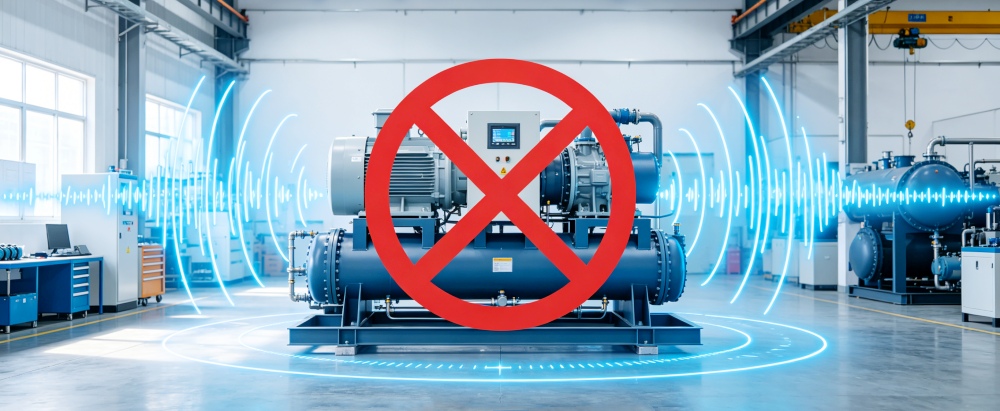
لا تُعدّ المبردات الصناعية آلات صامتة، خاصةً في المصانع الكبيرة التي تعمل على مدار الساعة. ولكن عندما يرتفع مستوى الضوضاء فجأةً عن المعتاد - كاهتزاز حاد، أو طرق معدني، أو أزيز عالٍ - فغالبًا ما يكون ذلك مؤشرًا على وجود خلل ما داخل النظام. في شركة هينغدي للمبردات، كثيرًا ما نسمع شكاوى من عملاء جدد تفيد بأن المبردات القديمة تُصبح صاخبة للغاية خلال فصل الصيف لدرجة أن المكاتب المجاورة تشعر بالاهتزاز. في بعض غرف التبريد المركزية، قد يتجاوز مستوى الصوت 80 ديسيبل بسهولة بعد سنوات من التشغيل المتواصل.
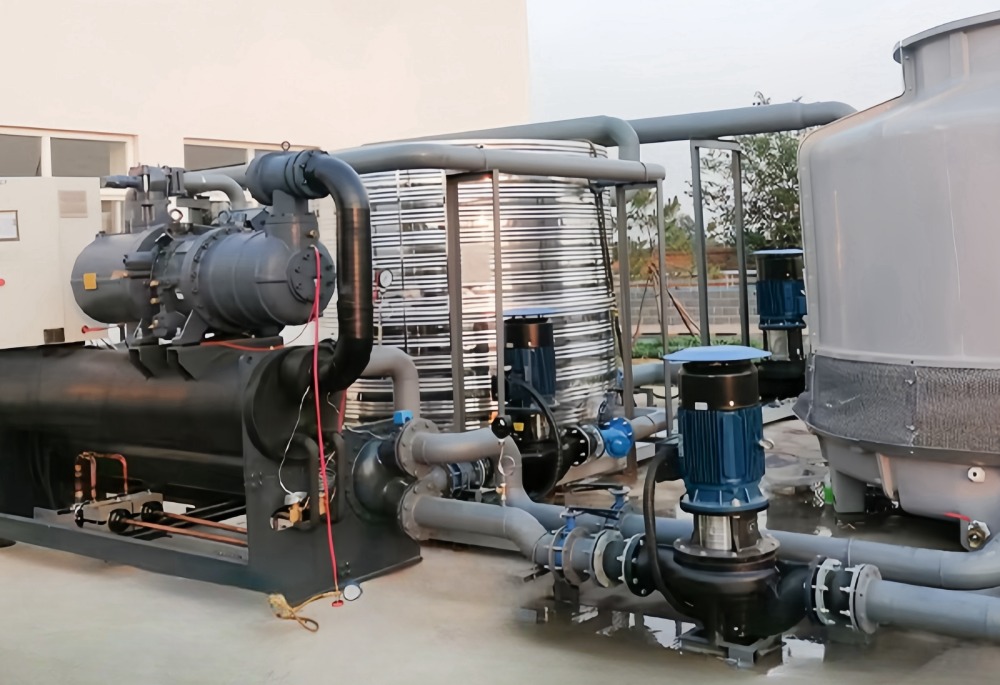
يظن الكثيرون فورًا أن الضاغط تالف. قد يكون هذا صحيحًا في بعض الأحيان، لكن من المثير للدهشة أن العديد من مشاكل الضوضاء تنجم في الواقع عن تفاصيل التركيب. قبل بضع سنوات، عمل هينغدي على مشروع تبريد مصنع، حيث اعتقد المشغلون أن مبرد اللولب يعاني من عطل داخلي خطير لأن جميع العاملين في الورشة كانوا يسمعون اهتزازات منخفضة التردد أثناء التشغيل. بعد الفحص، تبين أن المشكلة الرئيسية تكمن في دعامات الأنابيب غير المحكمة بالإضافة إلى ضعف عزل الاهتزازات أسفل قاعدة المبرد. بمجرد تعديل هيكل الدعامات، انخفضت الضوضاء بشكل ملحوظ.
في العديد من المصانع، يُضخّم هيكل المبنى نفسه اهتزازات المبردات. قد لا يكون صوت الجهاز مرتفعًا للغاية في الواقع، لكن الجدران والأرضيات والأنابيب المعدنية تُفاقم الشعور بالصوت. كما تُعاني المبردات المُبرّدة بالهواء من مشاكل الضوضاء مع مرور الوقت. يُجبر تراكم الغبار على ملفات المكثف المراوح على العمل بجهد أكبر، وقد تُصدر واقيات المراوح أو الألواح المعدنية غير المُثبّتة أصوات طقطقة يُخطئ المشغلون غالبًا في تفسيرها على أنها عطل في الضاغط. بل رأينا حالاتٍ أصدرت فيها لوحة معدنية صغيرة غير مُثبّتة ضوضاءً أعلى من الضاغط نفسه. بعض أعلى أصوات المبردات الصناعية ناتجة عن اهتزازات خارجية طفيفة، وليست عن تلف كبير في نظام التبريد. لهذا السبب، عادةً ما يفحص الفنيون ذوو الخبرة الأجزاء الهيكلية قبل استبدال المكونات باهظة الثمن.
بالنسبة للمبردات القديمة، يُعدّ نقص الصيانة سببًا شائعًا آخر لزيادة الضوضاء تدريجيًا. فبعد سنوات من التشغيل، تتسبب مشاكل صغيرة مثل تآكل المحامل، وعدم توازن المراوح، وارتخاء البراغي، أو تلف وسادات امتصاص الاهتزازات، في زيادة ضوضاء النظام تدريجيًا.
يُعد اختيار المعدات المناسبة منذ البداية أمراً بالغ الأهمية. فجودة الضاغط، وتصميم الأنابيب، وثبات الهيكل، وتصميم التحكم في الاهتزازات، كلها عوامل تؤثر بشكل مباشر على مستوى الضوضاء أثناء التشغيل على المدى الطويل.
حلول احترافية للحد من الضوضاء
في شركة هينغدي للمبردات، لا نركز فقط على أداء التبريد، بل نولي اهتمامًا بالغًا أيضًا للتشغيل المستقر والهادئ في البيئات الصناعية. من خلال التصميم الهيكلي الأمثل والخبرة العملية في التركيب، يمكننا الحد من العديد من مشاكل الاهتزاز والضوضاء قبل أن تؤثر على إنتاج المصنع. اختر هينغدي، اختر الأفضل. مبرد صناعي!
WhatsApp : +8618351969707
البريد الإلكتروني : sales@sinohengde.com
عنوان : No.1 Jiangyang Line, Hongqi community, Hengxi Street,Jiangning, Jiangsu, China